
Jul 13th 2026
How to Choose the Right Clam Knife
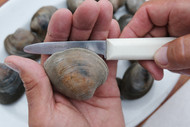
Whether you're harvesting shellfish along the coast, working behind a seafood counter, or preparing fresh clams at home, having the right clam knife makes the job safer, faster, and much easier. Unlike a standard kitchen knife, a clam knife is specifically designed to pry open tough shells without damaging the delicate meat inside or putting unnecessary stress on the blade. Clam knives typically feature a durable blade, a rounded tip, and a secure handle that provides excellent grip—even with wet hands.
But not all clam knives are the same. Here's what to look for when selecting the best clam knife for your needs.
1. Choose the Right Blade Width
One of the biggest differences between clam knives is the width of the blade.
Narrow Blade Clam Knives
A narrow blade is ideal for:
- Smaller clams
- Tight shell hinges
- Greater precision
- Experienced users who prefer maximum control
The Dexter S127 Narrow Clam Knife features a slim blade that easily slips into smaller shell openings while providing excellent maneuverability. It's a favorite among commercial seafood processors and experienced shellfish harvesters who appreciate its precision.
Wide Blade Clam Knives
A wider blade offers:
- More leverage
- Greater stability
- Easier opening of larger hard-shell clams
The Dexter S119 Wide Clam Knife features a broader blade that helps generate additional prying force, making it an excellent choice for larger clams or anyone looking for extra confidence while shucking.
2. Look for a Strong, Durable Blade
Unlike slicing knives, a clam knife isn't designed to cut—it's designed to pry.
A quality clam knife should feature:
- A durable blade
- Excellent resistance to bending
- Corrosion-resistant steel for use in wet, salty environments
- A rounded or blunt tip that helps reduce the risk of puncturing the clam or your hand
Dexter clam knives are manufactured with high-quality American steel built to withstand the repeated twisting and prying required when opening clams.
3. Prioritize Handle Comfort and Grip
Clam shucking almost always involves wet hands, making grip one of the most important safety features.
Look for a handle that offers:
- A comfortable fit
- Slip-resistant control
- Durability in commercial or home use
- Confidence during repetitive shucking
A secure grip helps reduce fatigue while improving safety and control throughout the process.
5. Invest in Quality
A clam knife experiences significantly more twisting force than most kitchen knives. A poorly made knife can bend, break, or become uncomfortable during extended use.
Choosing a trusted manufacturer means you're getting:
- Consistent blade quality
- Reliable performance
- Long-lasting durability
- A tool designed specifically for commercial seafood applications
For over 200 years, Dexter has manufactured knives trusted by commercial fishermen, seafood processors, restaurants, and home cooks alike.